Vape Culture: Exploring the Rise of Vaping in Today's Society
Vape culture has emerged as a prominent phenomenon within younger generations, fueled by the pursuit of healthier choices and a wide range of flavor varieties. Social media accelerates this movement, presenting vaping as a socially acceptable choice. Nevertheless, the health-related consequences continue to be disputed, raising questions about safety. As vape retailers develop into neighborhood meeting points, the nature of this culture keeps evolving. Where is this rapidly developing culture headed?
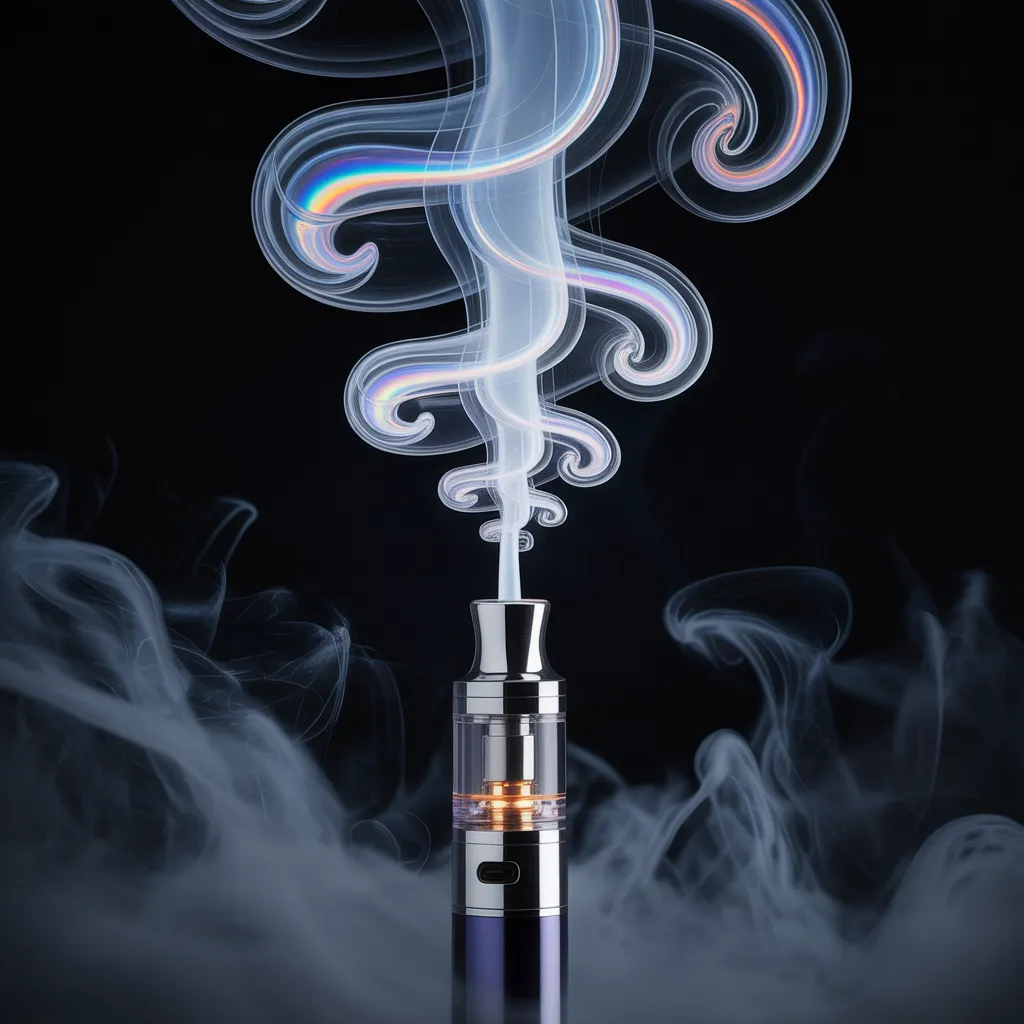
What Is Driving People to Switch to Vaping?
As the understanding of the health dangers linked to conventional smoking increases, a growing number of people are turning to vaping as an apparently less harmful substitute. This shift is driven by a combination of factors, among them the allure of varied tastes and personalized settings that vaping devices deliver. A great number of users enjoy the diverse flavor selections, extending from fruit-based to dessert-inspired varieties, enhancing the experience beyond what conventional tobacco provides. Additionally, vaping is often viewed as a more socially acceptable practice, particularly among younger demographics. The innovation within vaping devices additionally enables a degree of management over nicotine consumption, attracting individuals seeking to lower their intake steadily. In addition, the belief that vaping is less disruptive and produces fewer lasting odors than cigarette smoking adds to its growing appeal. Consequently, a wide variety of people, ranging from ex-smokers to those newly introduced to nicotine, are progressively transitioning to vaping.
Can Vaping Be Considered Safe? The Health Controversy?
How safe is vaping compared to traditional smoking? This question has sparked considerable debate among health professionals and the public alike. While vaping is often marketed as a safer alternative to smoking, the reality is more complex. Vaping devices usually include a smaller number of toxic chemicals compared to regular cigarettes, theoretically diminishing some associated health dangers. Despite this, vaping remains a source of hazardous compounds entering the body, among them nicotine, which carries risks of addiction and potential cardiovascular concerns.
Recent studies have highlighted concerns about the long-term effects of the inhalation of vaporized materials, particularly since many ingredients in e-liquids remain unstudied. Furthermore, incidents of lung injuries associated with vaping have been reported, deepening the uncertainty about its overall safety. Ultimately, while vaping may present fewer risks than smoking, it is still associated with notable risks, necessitating serious reflection from users and practical resource regulators alike.
Who's Participating in the Vaping Trend?
What types of people are attracted to vaping? A diverse range of individuals finds appeal in vaping, encompassing a wide range of demographics and backgrounds. Younger individuals, especially those between their late teens and early twenties, often seek alternatives to traditional smoking, seeing vaping as a trendy and modern personal choice. A significant number are influenced by the belief that vaping poses fewer health risks and delivers a tailored experience through an array of flavors and nicotine options.
Additionally, previous smokers moving toward vaping form a substantial group. Many consider it a method to decrease nicotine use while still partaking in the act of inhaling. Curiosity also drives some individuals, as the communal nature of vaping draws in those seeking to bond with others or discover new experiences. Vaping's widespread availability, along with its sense of novelty, consistently brings a diverse array of people into the vaping sphere.
How Social Media Has Shaped Vape Culture
In what way does social media impact the vaping community? Social media platforms have become pivotal in promoting and normalizing vaping among various demographics. Through visually engaging content, influencers showcase vaping as a lifestyle choice, often emphasizing its aesthetic appeal and social aspects. Vaping-related hashtags and online challenges foster a sense of belonging, motivating users to exchange their experiences and personal preferences. Furthermore, platforms such as Instagram and TikTok enable users to create and distribute tutorials, vaping tricks, and product evaluations, boosting the exposure of vaping products and brands.
This continuous exchange cultivates an environment where vaping is not just a routine but a means of individual expression. The viral nature of social media accelerates tendencies, leading to rapid shifts in consumer preferences. Therefore, social media functions as a double-edged sword, both promoting awareness of vaping and possibly romanticizing the practice, particularly among a younger generation.
How Vaping Influences Lifestyle Choices
Vaping has become a significant factor in shaping contemporary lifestyle choices, affecting everything from everyday social encounters to individual identity. For many, vaping serves as a social lubricant, facilitating connections in both casual and formal settings. The practice of vaping frequently generates a collective experience for participants, strengthening community ties and setting standards for social events.
Moreover, vaping has reshaped personal identity for some individuals, differentiating them from traditional smokers or non-smokers. The range of flavors, devices, and brands enables people to display their unique tastes, fostering a sense of self-expression.
Additionally, perceptions about health related to vaping have driven behavioral changes; certain users view it as a better substitute for cigarettes, while others embed it within wellness and lifestyle discussions. At its core, vaping impacts preferences regarding social interactions, personal expression, and well-being, illustrating its profound impact on today's lifestyle choices.
Vape Stores: Gathering Places for Enthusiasts
As vaping culture continues to evolve, vape shops have emerged as important social centers for dedicated vapers. These establishments serve as meeting spots where customers can connect over their mutual passion for vaping. Rather than just offering products for sale, vape shops regularly hold community events, such as tasting sessions and hands-on workshops, nurturing a welcoming atmosphere among customers.
The knowledgeable staff frequently provide valuable insights into the most recent vaping devices and e-liquids, elevating the complete vaping experience. This individualized service strengthens trust and dedication within the community. Furthermore, vape shops frequently establish inviting atmospheres, promoting meaningful connections between customers, which often results in strong friendships and supportive networks.
As vaping continues to gain popularity, these shops serve a vital role in cultivating a culture focused on discovery and learning. By prioritizing community engagement, vape shops not only contribute to individual experiences but also help establish a vibrant, interconnected vaping culture.
Upcoming Trends in Vape Culture
In what ways will vape culture transform as technology and social perspectives change? With the progression of vaping technology, developments like smart devices and personalized options are expected to appeal to a broader demographic. Enhanced user interfaces and app integrations may facilitate personalized experiences, allowing consumers to track usage and flavor preferences. Additionally, the growing emphasis on health and wellness could reshape perceptions, leading to more acceptance of vaping as a less harmful alternative to smoking.
Policy modifications will also be significant as governments implement stricter regulations, manufacturers may focus on transparency and quality, cultivating a more conscientious sector. Social attitudes may continue to shift, with vaping becoming more integrated into mainstream culture, comparable to the craft beverage or specialty drink movement. Fundamentally, the evolution of vaping will be marked by a fusion of innovative technology, policy supervision, and changing community attitudes, establishing a singular standing in current cultural discourse.
Frequently Asked Questions
What Flavors Are Most Popular Among Vapers Today?
Fruit-based flavors, especially berry, mango, and watermelon, dominate the vaping market today. Indulgent dessert flavors, including vanilla custard and chocolate, are also widely popular, drawing in those who desire rich and satisfying vaping experiences.
What Are the Average Monthly Expenses for Vaping?
The monthly cost of vaping typically range from $30 to $100, based on device type, usage habits, and e-liquid preferences. Consistent users might notice significant cost variations according to individual habits and usage levels.
What Are the Age Requirements for Buying Vape Products?
Yes, there are age restrictions for buying vape products. Across many areas, individuals must be at least 18 or 21 years of age, depending on local laws, to lawfully purchase vaping devices and associated products.
Is Vaping an Effective Way to Help People Stop Smoking Completely?
Vaping might support some users in completely giving up smoking by offering a safer substitute. However, its effectiveness varies among users, and dependence on vaping may result in ongoing nicotine addiction for some.
What Are the Most Common Misconceptions About Vaping?
Widespread misunderstandings about vaping include beliefs that it poses no health risks, that it lacks any harmful ingredients, and that it is solely a gateway to smoking. These false beliefs can influence perceptions and behaviors surrounding vaping.